Annual Report 2024-25

Three Decades of Empowering Tribal Communities Through Sustainable Development & Education

Since 1994 • Nandurbar, Maharashtra

Message from the Founder & Chairman

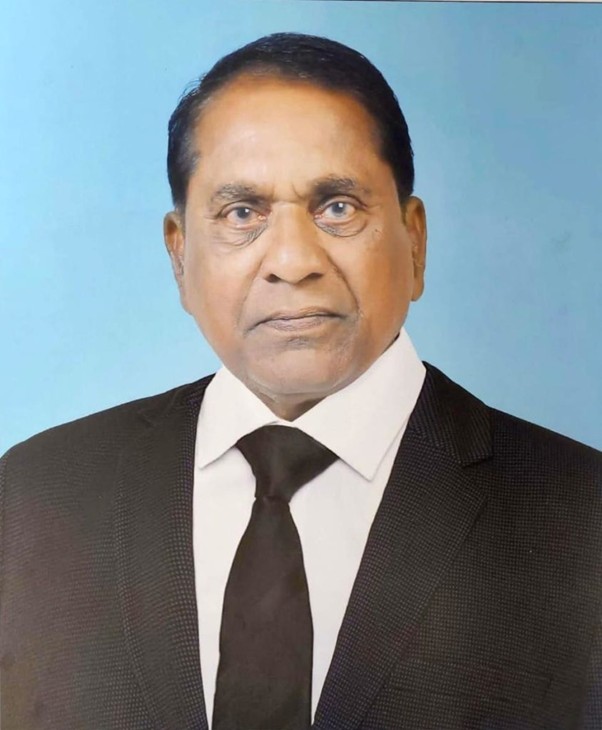
Prakash B. Patil - Founder & Chairman
Prakash B. Patil
Founder & Chairman
Prakash B. Patil
Founder & Chairman
It gives me immense pride and gratitude to present the Annual Report of Rural Foundation, Nandurbar, which reflects our collective efforts towards inclusive and sustainable rural development.

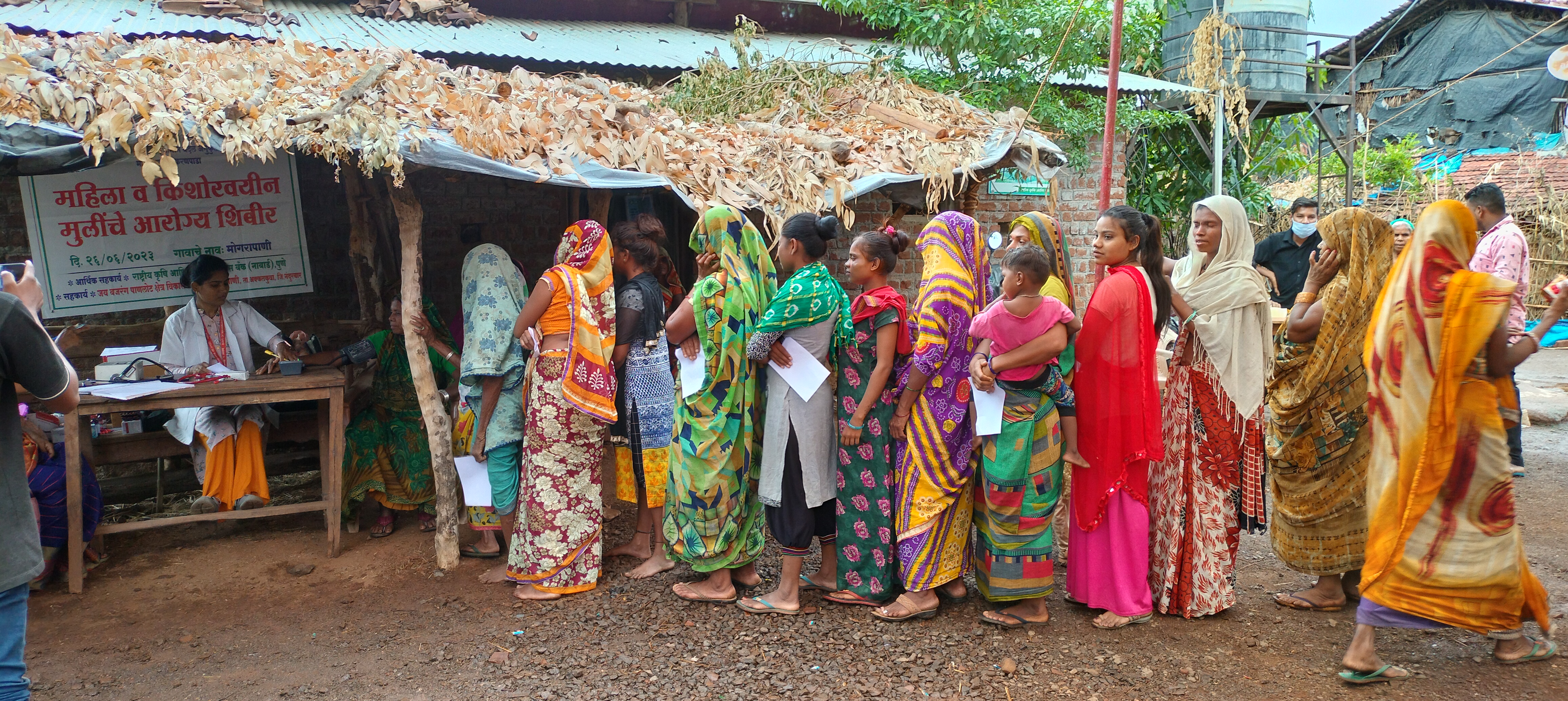
Established in 1994, Rural Foundation has been working relentlessly in remote, hilly, and tribal-dominated regions of Maharashtra, Madhya Pradesh, and Gujarat. Our mission has always been to empower marginalized communities—particularly tribal families, women, and children—through education, livelihood enhancement, health initiatives, watershed development, and holistic village development.
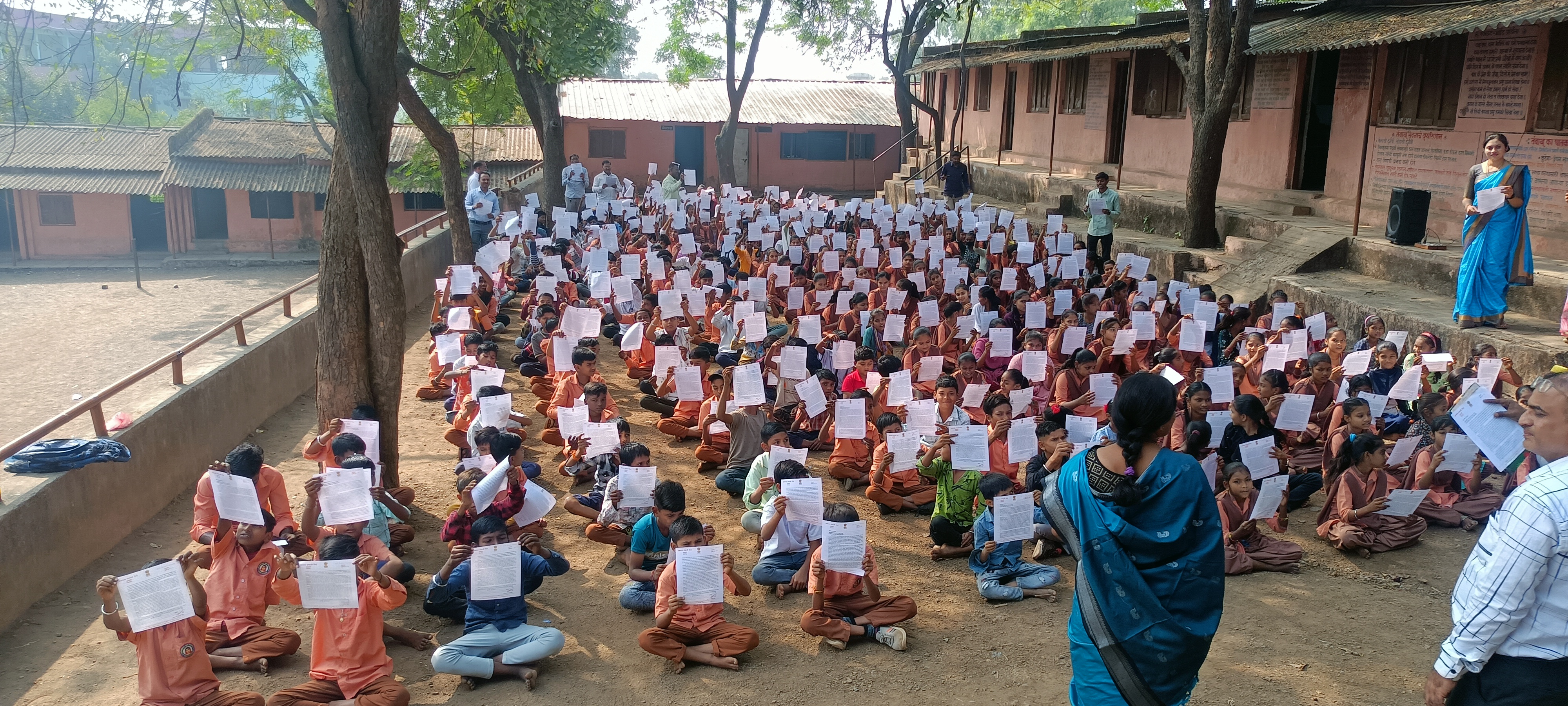
Education lies at the core of our philosophy. We believe that true education nurtures character, confidence, values, and social responsibility. Through our schools, colleges, girls' hostels, and residential institutions, we strive to ensure that every child—especially first-generation learners and tribal girls—receives opportunities to grow into independent and responsible citizens.

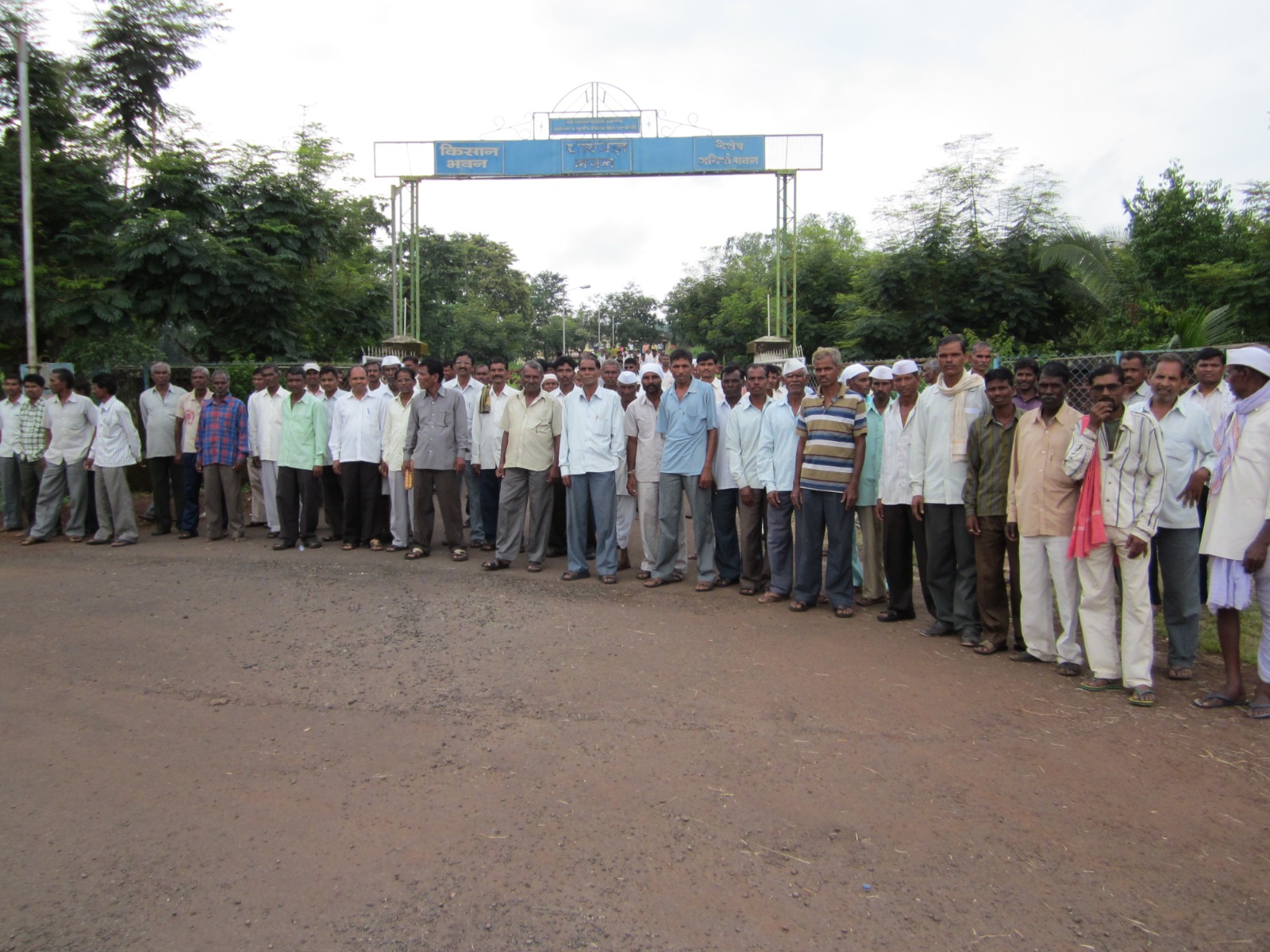
Despite various challenges, our dedicated team and strong community partnerships have enabled us to work across 75 villages in 5 blocks, most of which are tribal dominated. Our integrated approach—combining natural resource management, women's empowerment, capacity building, and institutional development—has strengthened livelihoods and significantly improved the quality of life in these communities.

As we move forward, Rural Foundation remains committed to building a society where every individual lives with dignity, opportunity, and hope.

Warm regards,

Prakash B. Patil
Founder & Chairman
Rural Foundation, Nandurbar

About Rural Foundation

Rural Foundation is a registered non-profit organization established in 1994 by visionary social entrepreneur Prakash B. Patil, working towards the holistic and sustainable empowerment of marginalized tribal communities in Nandurbar—an Aspirational District of Maharashtra—and the adjoining border regions of Gujarat and Madhya Pradesh. Over the past three decades, the Foundation has evolved as a credible development institution, adopting a community-led and systems-oriented approach that integrates indigenous knowledge with contemporary scientific and policy frameworks to foster inclusive growth, resilience, and self-reliance.

Rural Development

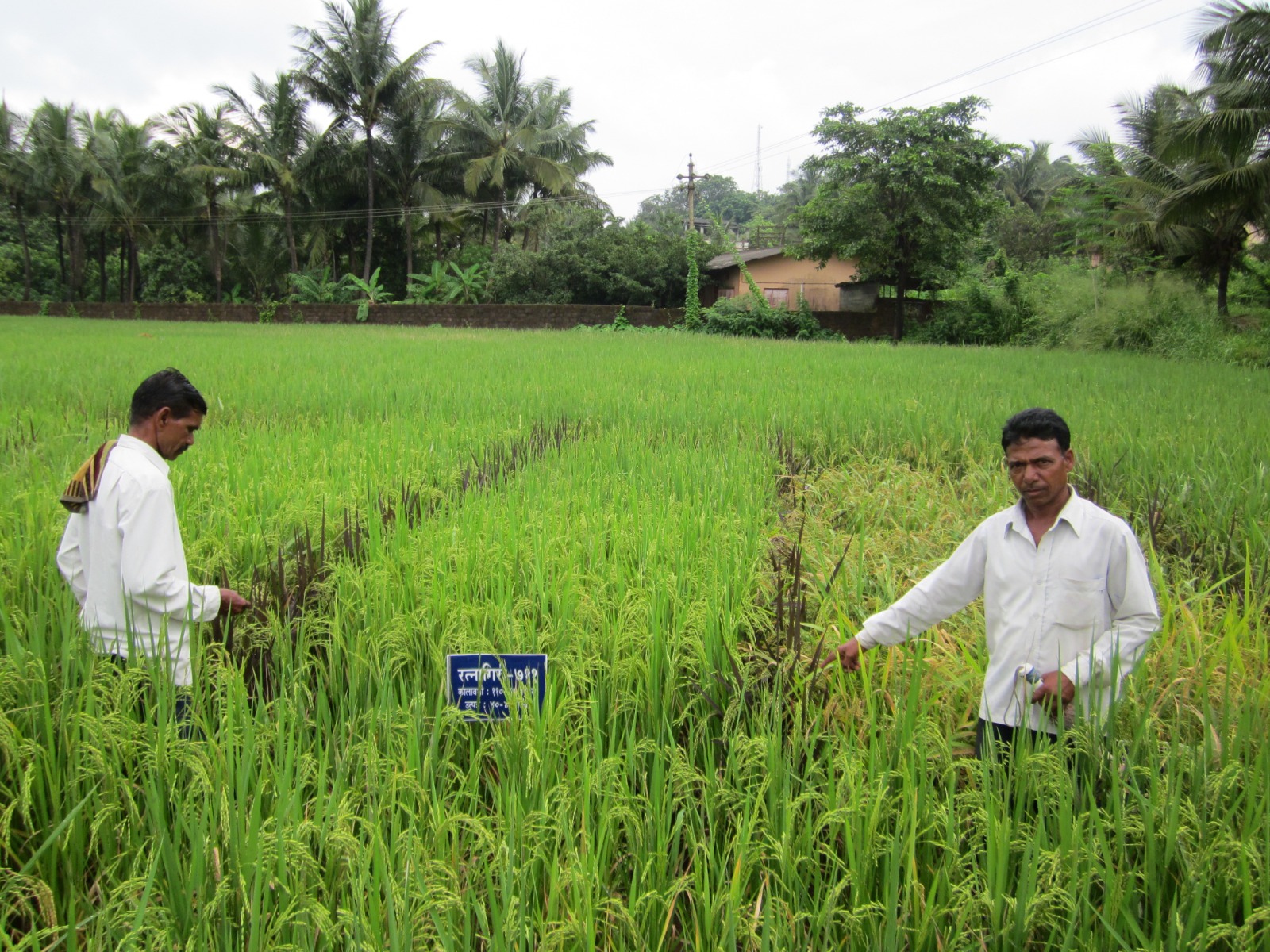
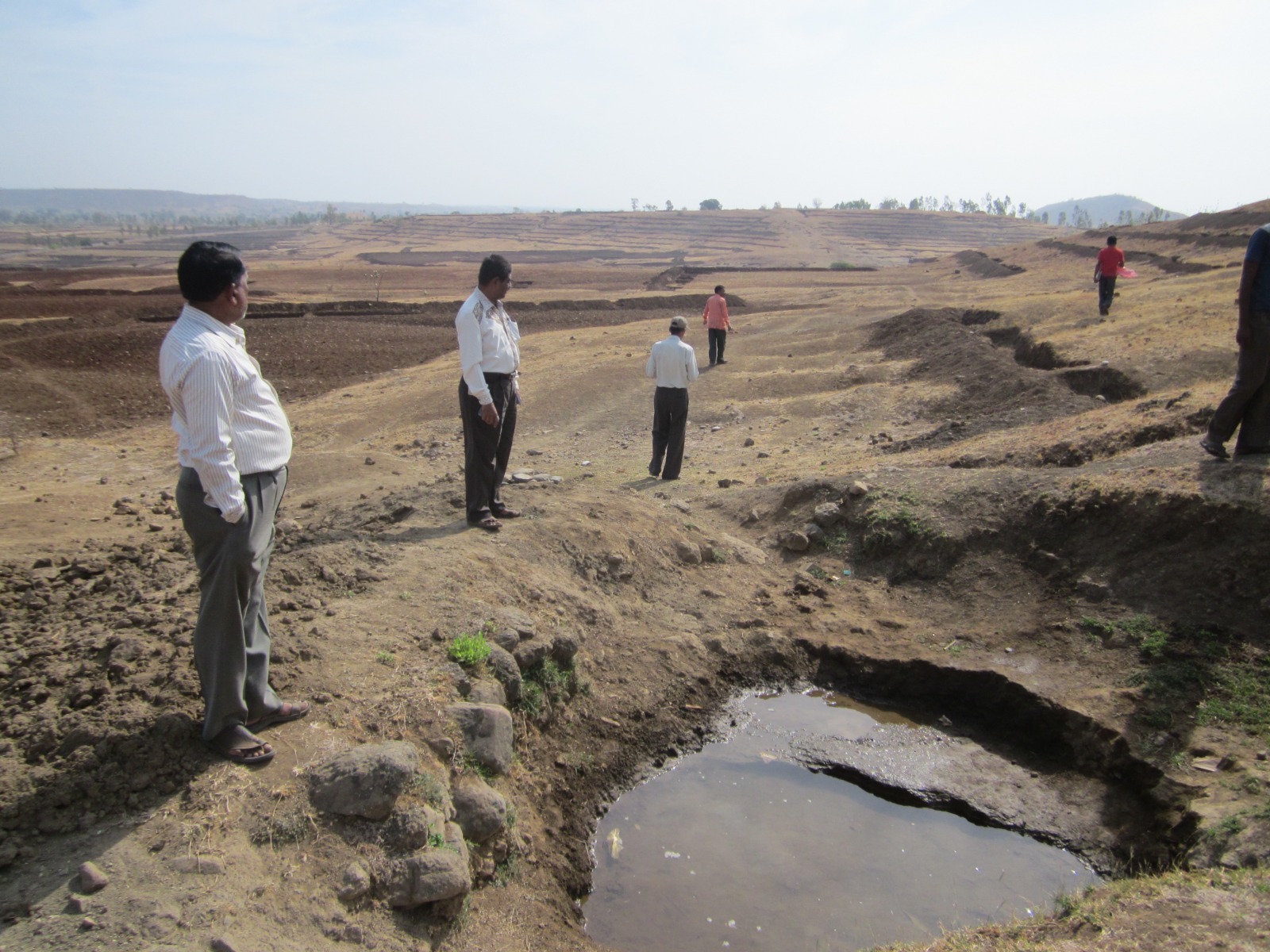
Between 1996, Rural Foundation implemented an integrated livelihoods and rural development model anchored in Natural Resource Management (NRM) as a foundational strategy for poverty alleviation. Large-scale interventions in watershed development, soil and water conservation, and groundwater recharge addressed chronic water insecurity, while parallel investments in women's financial inclusion strengthened local institutions through the formation and federation of Self-Help Groups (SHGs). These efforts enabled smallholder farmers and landless households to adopt improved irrigation systems, climate-resilient agricultural practices, and diversified livelihood options, resulting in measurable improvements in household income, food security, and economic stability across more than 75 villages. The integrated approach also contributed to reduced seasonal distress migration, enhanced household and family stability, and lower school dropout rates among children.

Building on this foundation, since 2019 and continuing through 2025, the Foundation has strategically pivoted towards climate change adaptation and resilience-building in response to increasing climatic stress, including erratic rainfall, prolonged dry spells, and declining groundwater levels. Working closely with farming communities, Rural Foundation is implementing climate-smart, water-efficient agricultural practices, strengthened natural resource management systems, and resilient livelihood models that provide immediate relief while enabling long-term adaptation. These interventions support farmers in reducing risk, making informed decisions, adopting innovative practices, and transitioning towards sustainable, future-ready agricultural systems.

Education Development

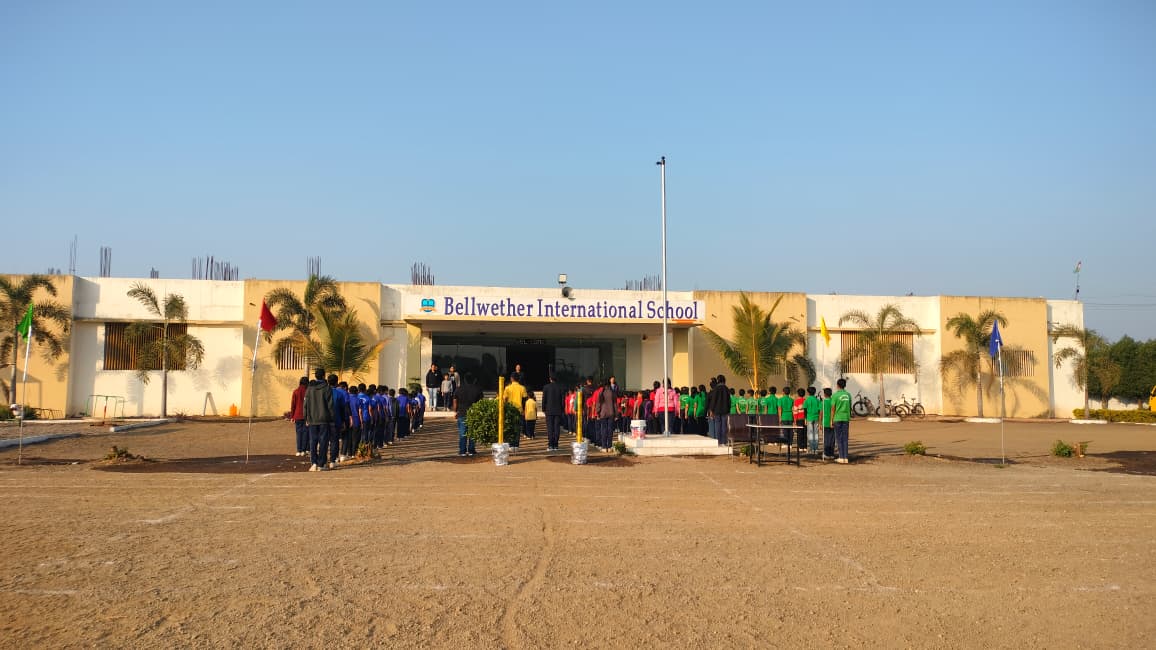
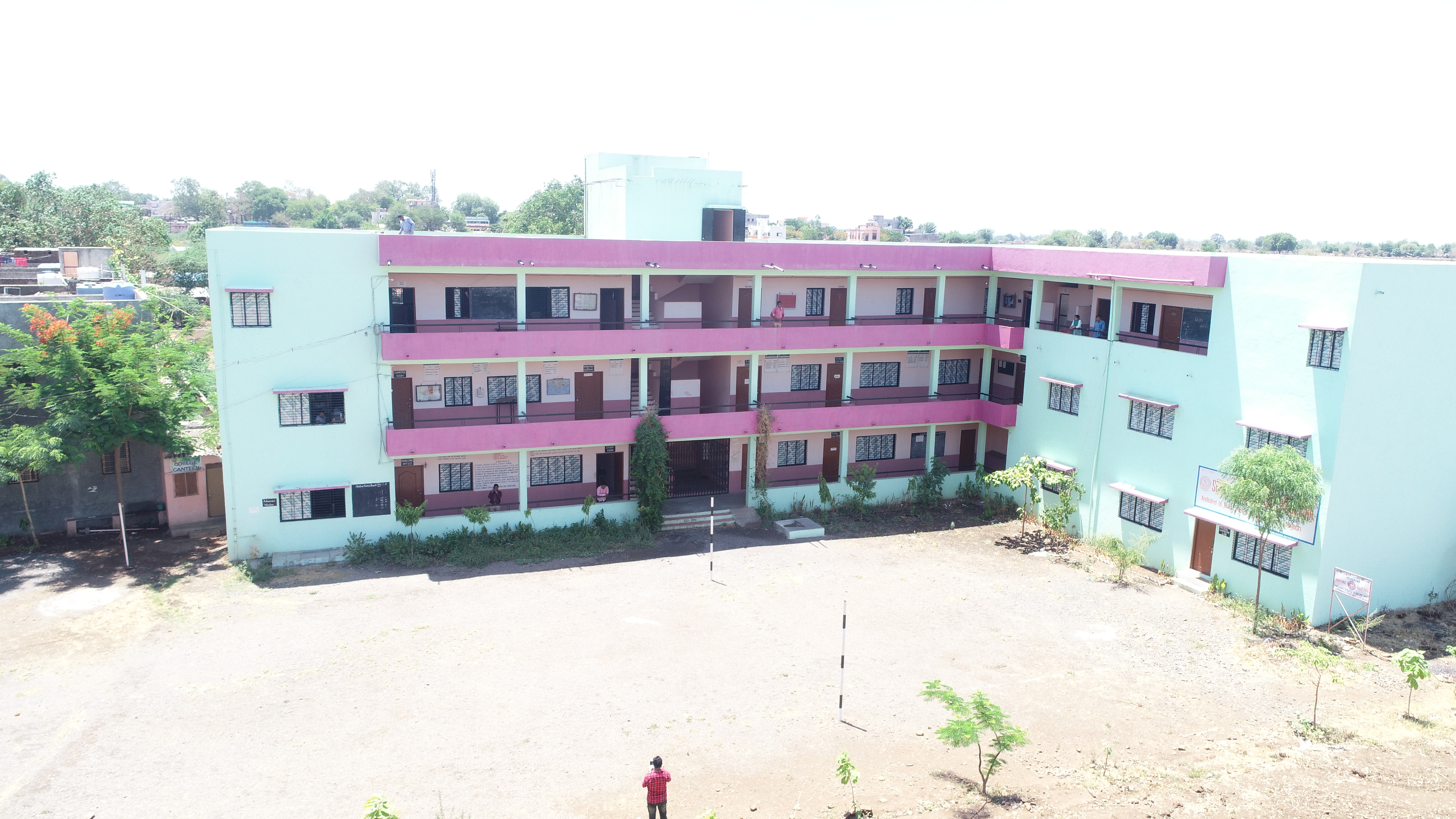
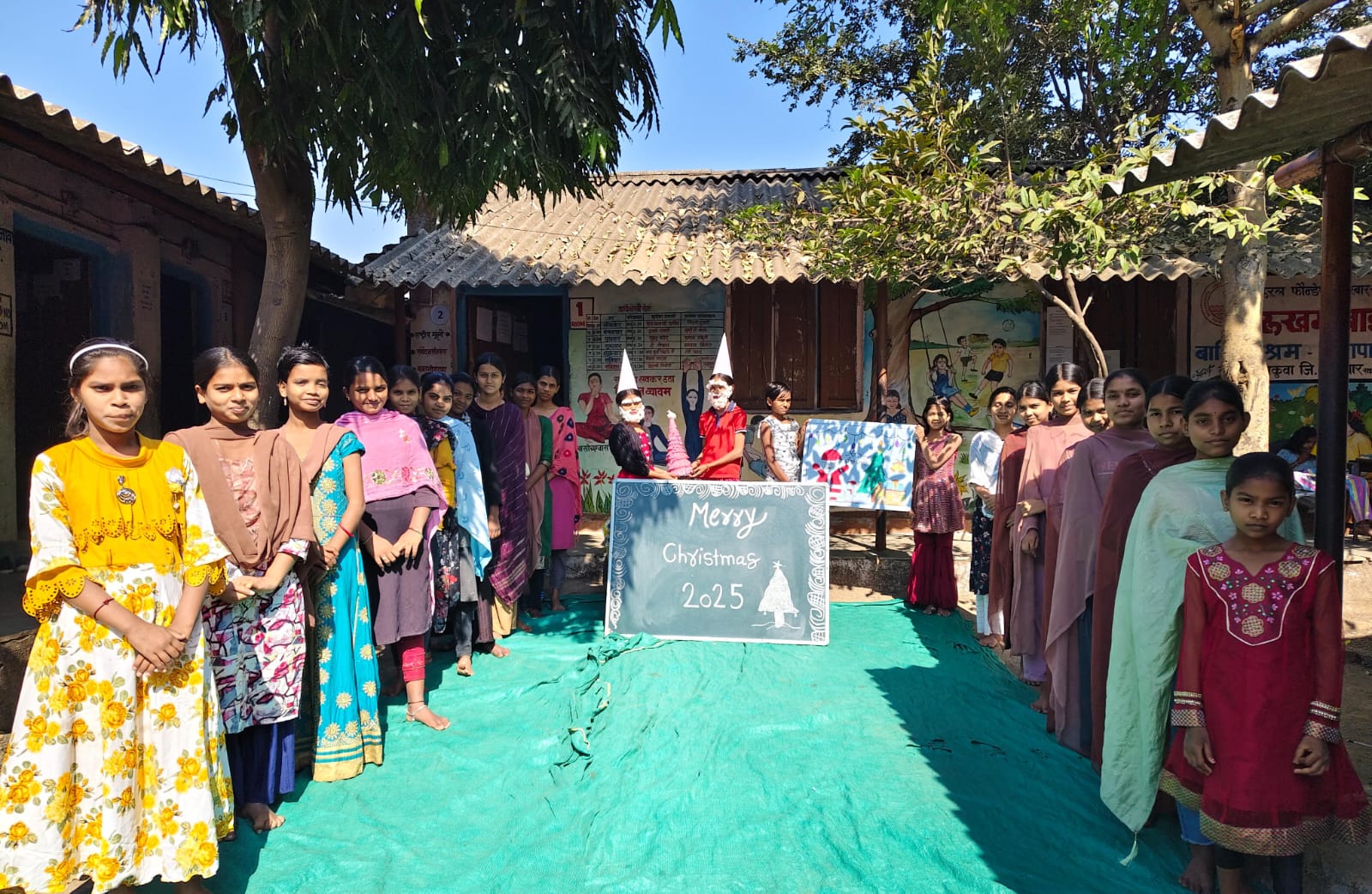
Recognizing human capital development as a critical lever for long-term social transformation, the Foundation institutionalized its education vertical in 1999. Under Rural Foundation Nandurbar Sanchalit (RFNS), the organization manages a comprehensive "Cradle-to-Career" education ecosystem encompassing primary and secondary schools, English-medium schools, the Bellwether International School, and higher education institutions including Junior and Senior Science Colleges, as well as B.Ed. and D.Ed. Teacher Training Colleges. A flagship intervention within this ecosystem is the Balikashram (Girls' Residential Home), which provides a structured, protective, and enabling environment for vulnerable girls, ensuring continuity of education and addressing entrenched gender and social inequities.

Key Milestones Report

2,236
Hectares Treated
3,300+
Individuals Impacted
700+
Families Supported
100%
Fund Utilization

Key Achievements (FY 2024-25)

Key Metric Consolidated Achievement Source Data Highlights
Total Land Treated ~2,236 Hectares Ridge-to-Valley treatment across 4 watersheds
Communities Impacted ~3,300+ Individuals Covered ~600+ tribal households across villages like Anjane, Bilda, Vasada, Shehi
Water Harvesting High-Impact Structures Created Check Dams, Gabions, and hundreds of Loose Boulder Structures
Livelihood Units 700+ Families Supported via Kitchen Gardens, Poultry units, and Goatry
Financial Efficiency 100% Fund Utilization All grant support utilized with clean audit reports and zero deviations

Impact Distribution Across Key Areas

Impact Focus Areas
  • Natural Resource Management: 45% of total impact
  • Education Development: 30% of total impact
  • Livelihood Support: 15% of total impact
  • Women Empowerment: 10% of total impact

Milestone 1: Engineering Water Security (Ridge-to-Valley Approach)

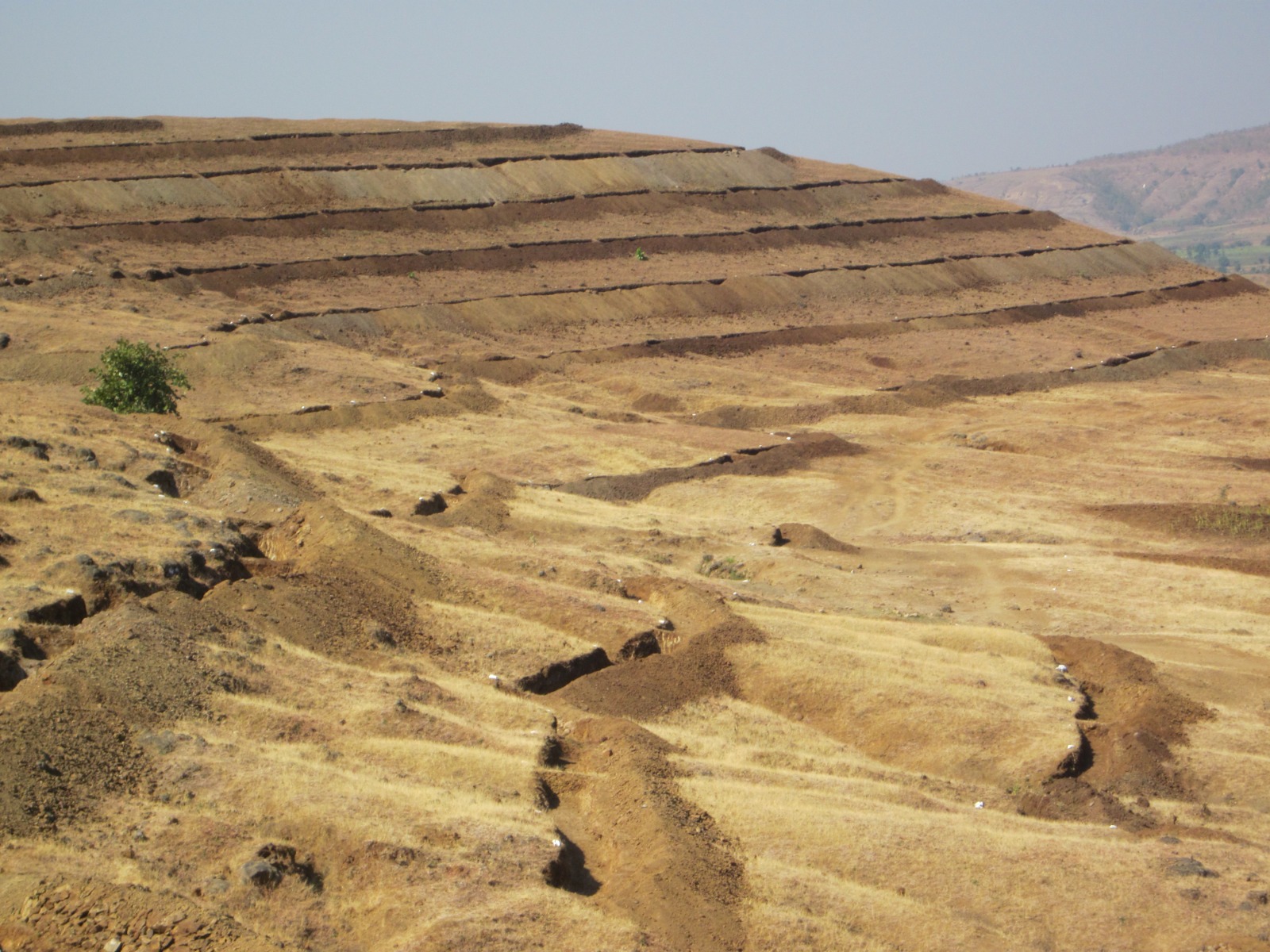
We successfully arrested soil erosion and enhanced groundwater recharge through massive landscape treatment.

Structures Created

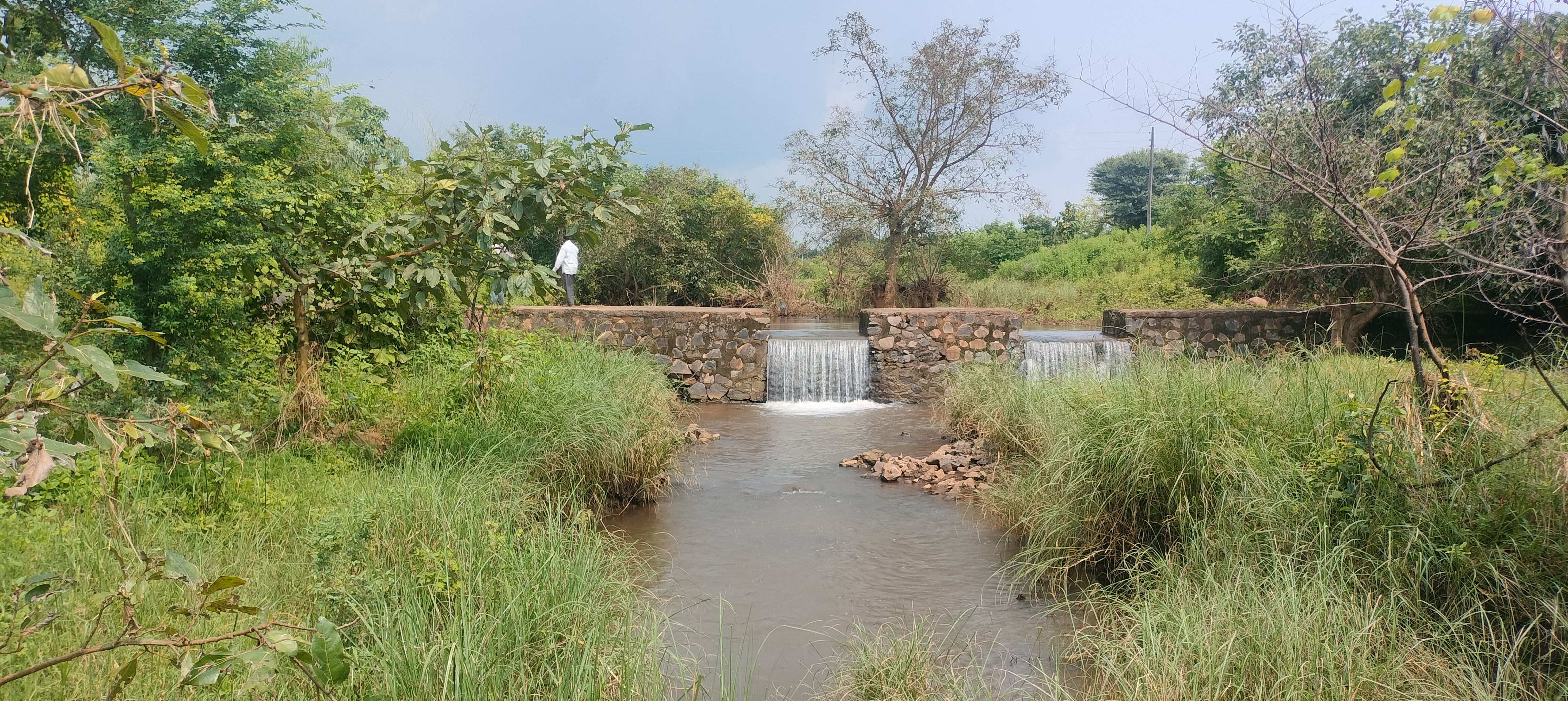
Implemented a dense network of Continuous Contour Trenches (CCTs), Water Absorption Trenches (WAT), and Gabion Structures to catch rainwater where it falls.

Visible Outcome: In villages like Mograpani and Jamada, the "Net Irrigated Area" significantly increased (e.g., Mograpani saw seasonal irrigation rise from 28 ha to 100+ ha).

Innovation: Construction of Sunken Ponds and Recharge Pits has directly improved water levels in open wells and borewells.

Milestone 2: Climate-Resilient Agriculture (The "Soil Health" Initiative)

Moving beyond water, we transformed how farmers cultivate to ensure food security despite climate risks.

Climate Smart Agriculture

  • Input Reduction: Distributed hundreds of Vermi-composting kits and trained farmers in making Jivamrut and Dashparni Ark (bio-pesticides), reducing dependency on chemical fertilizers.
  • Technology Adoption: Installation of Automatic Weather Stations (AWS) in Anjane, Jamada, and Marod. Farmers now receive SMS advisories on rainfall and temperature.
  • Crop Diversification: Successfully introduced Cash Crops (Turmeric, Vegetables) and Inter-cropping (Legume-based) to 100+ hectares.

Milestone 3: Livelihood Diversification & Women Empowerment

We reduced economic vulnerability by creating secondary income sources managed primarily by women.

375+
Kitchen Gardens
320+
Backyard Poultry Units
40+
Self-Help Groups (SHGs)
₹9L
SHG Savings

Milestone 4: Sustainability & Institutional Handover

Ensuring the project lives on after our exit.

Community Ownership

Maintenance Funds: Successfully established "Maintenance Funds" (e.g., ₹2.9 Lakhs in Anjane, ₹2.1 Lakhs in Mograpani) funded by community contributions and interest accrued.

Community Ownership: Assets have been formally handed over to Village Watershed Committees, who are now trained in maintenance and water budgeting.

Our Projects & Programs

Program 1: Natural Resource Management (NRM) & Climate Resilience

Focus: Soil conservation, water harvesting, and climate-proofing agriculture in tribal belts.

Project Name Location Key Achievements / Scope
Anjane Watershed Project Tal. Navapur (5 Villages) Treated 525 Ha; Supported 187 Households; Created 250+ water/soil structures
Jamada Watershed Project Tal. Navapur (3 Villages) Treated 506 Ha; Supported 146 Households; Established AWS (Weather Station) & Village Knowledge Centre
Marod Watershed Project Tal. Navapur (2 Villages) Treated 636 Ha; Supported 134 Households; High success in SRI Paddy & Cotton cultivation
Mograpani Watershed Project Tal. Akkalkuwa Treated ~570 Ha; 100% utilization of funds; Introduced Drip/Sprinkler Irrigation on 15 acres

Program 2: Social Welfare & Livelihood Empowerment

Focus: Supporting the most vulnerable (orphans, landless, and women) with shelter and sustainable incomes.

Project Name Target Group Impact Highlights
Rukhmabai Balikashram Orphan/Semi-orphan Girls Provides shelter and care for 45 girls (Supported by WCD Dept)
Sewing Training Centre Rural Women Trains 30 women annually (2 batches) for self-employment
Watershed Livelihoods Landless Families Distributed Poultry Units (90+ in Marod/Anjane) & Goatry units to landless families
Women's SHGs Tribal Women Formed 40+ SHGs across watersheds (Anjane, Jamada, Marod, Mograpani) enabling savings & credit

Program 3: Human Resource Development (Education)

Focus: Providing quality education from primary school to post-graduate level, with a focus on science and teacher training.

Strategic Milestone: Academic Excellence & Quality Assurance

RFN Senior Science College

NAAC Grade: B++ (2nd Cycle Accreditation)

Capacity: 260 Students

Prestigious 'B++' Grade positions the college as a leader in science education within the entire district

RFN College of Education for Women (Akkalkuwa)

NAAC Grade: C+

Capacity: 100 Trainees

Major milestone reinforcing our dedication to maintaining high standards in women's teacher training

Education Program Distribution

Student Distribution Across Institutions
  • Schools: 900 students (Savitribai School)
  • Higher Education: 260 students (Science College)
  • Teacher Training: 300+ trainees (B.Ed & D.Ed)
  • International School: 208 students
Project / Institution Capacity Key Milestone (FY 2024-25)
RFN Senior Science College 260 Students 🏆 NAAC Accredited: Grade 'B++' (2nd Cycle)
RFN College of Education B.Ed (Women) 100 Trainees 🏆 NAAC Accredited: Grade 'C+'
Savitribai Phule Higher Secondary School 900 Students Operating successfully since 1999
Bellwether International School 208 Students Newest initiative (Est. 2023); Co-ed English Medium
RFN Junior Science College 120 Students Focus on 11th & 12th Science stream
RFN D.T.Ed. College 100 Students Diploma in Teacher Education
RFN College of Education (Bardoli) 200 Students B.Ed college expanding reach to Gujarat

Ongoing Watershed & Climate Projects

Sr. No. Name of Project No. of Villages Start Date Completion Date Funding & Sponsor
23 Mograpani Watershed Development Project 2 01.03.2019 31.3.2025 NABARD, Pune
24 Harnipada - Climate Change Adaptation 1 01.01.2020 31.12.2024 NABARD, Pune
25 Sheltapani - Climate Change Adaptation 1 01.01.2020 31.12.2024 NABARD, Pune
26 Marod - Climate Proofing of Watershed 1 11.11.2020 31.3.2025 KfW Germany & NABARD
27 Jamada - Climate Proofing of Watershed 1 11.11.2020 31.3.2025 KfW Germany & NABARD
28 Anjane - Climate Proofing of Watershed 1 11.11.2020 31.3.2025 KfW Germany & NABARD

Educational & Welfare Projects

Sr. No. Name of Project Beneficiaries / Capacity Start Year Status Funding / Department
2 Rukhmabai Balikashram 45 Girls - Orphans & Semi-Orphans 2007 ON-GOING WCD Dept., Govt. of Maharashtra
3 Savitribai High School 900 Students 1999 ON-GOING Education Dept., Govt. of Maharashtra
4 RFN Junior Science College 120 Students 2003 ON-GOING Education Dept., Govt. of Maharashtra
5 RFN Senior Science College 260 Students 2003 ON-GOING Higher Education Dept., Govt. of Maharashtra
6 RFN D.T.Ed. College 100 Students 2005 ON-GOING Non-Granted
7 RFN College of Education for Women - Akkalkuwa 100 Girls Students 2003 ON-GOING Non-Granted
8 RFN College of Education for Women - Bardoli 100 Girls Students 2007 ON-GOING Non-Granted
9 Bellwether International School, Nandurbar 208 Students 2023 ON-GOING Non-Grant

Ongoing Projects Status Distribution

Projects by Category
  • Watershed Projects: 60% of ongoing work
  • Education Projects: 25% of ongoing work
  • Welfare Projects: 15% of ongoing work

Institutional Capacity: Our Team

"Qualified Leaders, Dedicated Practitioners"

At Rural Foundation, our human capital is our greatest asset. Our organizational structure is designed to ensure technical rigor in our projects and academic excellence in our institutions. We currently employ a diverse workforce led by Ph.D. qualified experts and experienced field veterans.

Human Resource Summary (At A Glance)

Vertical / Department Team Strength Key Leadership Qualification
Education (Schools & Colleges) 88 Staff Ph.D. & NET/SET Qualified
NRM & Climate Projects 19 Staff M.Sc. (Agri) & Engineering
Total Organization Strength 107 Team Members Multidisciplinary Expertise

Team Distribution Across Verticals

Team Composition
  • Education Staff: 82% of total team
  • NRM & Climate Staff: 18% of total team
  • Ph.D. Qualified: 15% of education staff

1. Education Programme Staff

Building Minds: From Primary School to Post-Graduate Research

Our educational institutions are governed by a hierarchy of academic leaders ensuring strict adherence to university and board standards.

Higher Education (Colleges)

RFNS Senior Science College: 1 Principal (Ph.D.), 8 Assistant Professors (NET/SET Qualified), 10 Administrative Staff

RFN Women's B.Ed. College: 1 Principal (Ph.D.), 1 SET Qualified Professor, 4 Subject Experts, 4 Administrative Staff

School Education

Savitribai School & Junior Science College: 1 Principal (Ph.D.), 16 Teachers, 6 Administrative Staff

Bellwether International School: 1 Principal, 15 Teachers, 14 Support Staff

Social Welfare

Rukhmabai Anath Balikashram: 1 Adhikshika (Superintendent), 5 Care & Administrative Staff

2. NRM & Climate Change Project Staff

Building Resilience: A Multidisciplinary Field Force

Our Natural Resource Management (NRM) unit does not rely on external consultants. We have a dedicated, technical in-house team capable of executing large-scale watershed and climate adaptation projects.

4
Agronomists
3
Social Workers
4
Village Supervisors
8
Technical Experts

3. Our Team Philosophy: "Quality through Qualification"

Academic Leadership

All major institutions are headed by Ph.D. qualified Principals. Crucially, our Science College faculty are NET/SET Qualified, ensuring they meet the highest national standards for teaching eligibility.

Specialization

Whether it is an Agronomist for the farm or a NET/SET Qualified Professor for the classroom, we believe in deploying specialists, not generalists.

Field-First Approach

Our NRM team is heavily weighted towards field staff (Agronomists, Social Workers, Supervisors) to ensure we are always present in the community.

Inclusion

We maintain a balanced mix of education, administration, and gender experts to drive holistic development.

Our Partners in Change

"Supported by the Best"

Rural Foundation is proud to implement its programs with the financial and technical backing of prestigious national and international agencies. We extend our deepest gratitude to the following organizations for their trust in our capability.

A. Funding & Development Partners

(For the Watershed & Climate Change Vertical)

Partnership Details

NABARD, Pune: The Backbone of Rural Infrastructure. NABARD (Pune RO) has been our principal partner in the Mograpani Watershed Project and various livelihood development initiatives in the Nandurbar district.

KfW (Germany): International Climate Partner. Under the SEWOH Phase III initiative, KfW provided critical funding for the Soil & Water Conservation projects in the Anjane, Jamada, and Marod clusters.

B. Government & Statutory Partners

(For the Education & Social Welfare Vertical)

C. Geographical Footprint: "Reaching the Unreached"

Rural Foundation operates in the heart of India's tribal belt. Our interventions are strategically focused on the Satpuda Mountain Ranges and the Tapi River Basin, regions characterized by difficult terrain, low literacy, and high climate vulnerability.

Operational States & Districts

📍 Maharashtra (Core Impact Zone)

District: Nandurbar (Aspirational District)

  • Block Navapur: Watershed & Agriculture Focus (Anjane, Jamada, Marod clusters)
  • Block Akkalkuwa: Education & Watershed Focus (Mograpani, Higher Education Hub)
  • Block Nandurbar: Modern K-12 Education (Bellwether International School)
📍 Gujarat (Expansion Zone)

District: Surat

  • Block Bardoli: RFN College of Education for Women (Bardoli)
  • B.Ed. Training for tribal and rural women from South Gujarat

D. Legal Status & Registrations

Official Registrations & Compliance

Trust Registration:

  • F-16856 MUMBAI/1994 / 20 OCT 1994
  • F-7034 DHULE /2006 / 29 March 2006

Society Registration:

  • Maharashtra State Mumbai 822/1994 GBBSD/ 1 SEPT 1994
  • Maharashtra /7727/2006/Dhule 29 March 2006

FCRA Registration: 083820021 (Renewal: 1.10.2022 to 30.09.2027)

Income Tax 12AA: URN 801 / 263 / 2015 - 2016 (Renewal: 1.12.2022 to 30.11.2027)

Income Tax 80G: CIT 80G / 499 / 2015 - 2016 (Renewal: 01.12.2022 to 30.11.2027)

CSR Registration: CSR00002761

PAN: AABTR7275B

NITI Aayog Unique ID: MH/2009/0020/147

Financial Transparency & Governance

FY 2024-25: "Integrity in Every Rupee"

At Rural Foundation, we believe that financial transparency is the bedrock of trust. We adhere to the strictest standards of accounting and are fully compliant with the Bombay Public Trust Act, 1950, Income Tax Act, and FCRA regulations.

In FY 2024-25, the organization managed a financial portfolio of approximately ₹5.16 Crores, demonstrating our capacity to handle large-scale CSR and Government grants with efficiency and zero procedural deviation.

1. Efficiency Analysis (Where the Money Goes)

Data extracted from Audited Statement (Schedule IX)

Donors often ask: "How much of our donation actually reaches the beneficiary?" Our financial data provides a reassuring answer: Over 95%.

Category of Expenditure Amount (₹) % Share Description
Program & Education Salaries ₹3,08,97,226.00 59.85% Investment in Human Capital: Salaries for Ph.D. Principals, Agronomists, Teachers, and Field Staff
Infrastructure & Maintenance ₹50,82,766.00 9.84% Maintenance of Schools, Colleges, Hostels, and Watershed structures
Depreciation (Asset Value) ₹28,19,800.00 5.46% Accounting for wear and tear of long-term assets
Admin & Office Expenses ₹16,41,474.35 3.18% Audit fees, Bank charges, Printing, and Office Operations
Direct Program Expenses ₹1,13,74,657.80 22.03% Education, Health, Women, Water, Environment programs
TOTAL EXPENDITURE ₹5,16,31,930.15 100% Audited Statement

Financial Expenditure Analysis

Expenditure Distribution
FY 2024-25 Expenditure Breakdown
Direct vs Administrative Spending
Fund Allocation Efficiency

💡 Key Insight for Donors

Low Overhead Ratio: Rural Foundation operates with a remarkably low administrative overhead of just 3.18%. This means that for every ₹100 donated, ₹96.82 is utilized directly for developmental programs, asset creation, and expert staff salaries.

2. Financial Health Indicators

Strong Grant Portfolio

Our income is diversified, ensuring organizational stability:

  • Government Grants: Salary grants for Aided Educational Institutions
  • Project Grants: Restricted funds from NABARD and KfW for specific watershed deliverables
  • Internal Accruals: Interest realized from investments (₹7.40 Lakhs) ensures we have a safety net for emergencies

Full Compliance

Compliant with all statutory requirements:

  • Bombay Public Trust Act, 1950
  • Income Tax Act (12AA & 80G certified)
  • FCRA Regulations
  • Clean audit reports with zero procedural deviations

Balance Sheet Higlights

Key audited balances (31.03.2025):

  • Immovable Assets (Net): ₹1,78,17,878.30
  • Total Assets: ₹3,78,43,866.72
  • Cash & Bank Balance: ₹80,07,804.00
  • Loans & Advances: ₹61,17,421.00

Asset Distribution Analysis

Asset Composition
  • Immovable Assets: 47% of total assets
  • Cash & Bank Balance: 21% of total assets
  • Loans & Advances: 16% of total assets
  • Other Assets: 16% of total assets

3. Verified Listings for Corporate Donors

BSE Sammaan

Bombay Stock Exchange CSR Platform

India CSRBox

CSR Analytics Platform

Guidestar India

GSN 6942

BRIDGE ID

6832311264

Strategic Outlook: The Road Ahead FY 2025-26

As we move into the new financial year, Rural Foundation is pivoting its strategy from "Project Implementation" to "Sustainable Partnership." Our roadmap for 2025-26 focuses on three key pillars: Direct Climate Action, Educational Modernization, and Transparent Resource Mobilization.

1. NRM Strategy: Direct Approach to Climate Change

Theme: From "Watershed" to "Carbon Sinks"

We are shifting our narrative from traditional soil conservation to a "Direct Climate Action" framework. Our interventions in FY 2025-26 will focus on measurable environmental offsets.

Zharipada Cluster (Navapur Block)

Final DPR submitted to NABARD. This project will serve as a model for "Climate-Resilient Tribal Agriculture" demonstrating carbon capture and water security.

Kalamba Cluster (Nandurbar Block)

Focused on drinking water security and groundwater recharge for sustainable agriculture.

Strategic Focus Areas for 2025-26

Resource Allocation Strategy
  • Climate Action Projects: 40% of planned budget
  • Education Modernization: 35% of planned budget
  • Livelihood Enhancement: 15% of planned budget
  • Institutional Capacity: 10% of planned budget

2. Education Strategy: Quality 2.0

Theme: Skills, Screens, and Standards

Building on our recent NAAC 'B++' and 'C+' Accreditations, we are upgrading the "Quality of Education" to match urban standards.

3. Resource Mobilization: Listed & Verified

Theme: Discoverable, Transparent, Compliant

To make it easier for Corporate India to partner with us, Rural Foundation has completed its listing on India's premier CSR exchanges. We are now "Investment Ready" for companies seeking verified implementation partners.

4. Social Welfare: Sustainability Partnerships

Rukhmabai Balikashram

We are actively seeking a long-term CSR partner to adopt the orphanage, shifting from a "survival model" to a "holistic development model" that includes digital literacy and nutritional upgrades for the girls.

Executive Summary of Strategy (2025-26)

Strategic Pillar Action Plan Platform / Partner
Climate Action Launch Zharipada & Kalamba clusters using "Direct Climate Approach" NABARD
Funding Access Leverage listings on BSE & CSRBox to attract corporate funds CSR Exchanges
Education Quality Smart Classrooms & Skill Certification programs Internal / CSR
Orphan Care Secure "Institutional Adoption" for Balikashram Corporate Partner

Join Our Mission

Rural Foundation has demonstrated consistent commitment to the holistic development of tribal communities over the past three decades. We invite corporate and philanthropic partners to join us in building a prosperous, self-reliant, and climate-resilient tribal society.

Offices & Training Centres

📍 MAHARASHTRA

Head Office: Hatdarwaja Gujar Nhavi Gali, Nandurbar - 425412 (MS)

Phone: 02564 221253 / 9764169250 / 9421290323

Email: ruralfoundation@yahoo.in | rfn.nandurbar@gmail.com

Training Center: Sorapada, Tal-Akkalkuwa, Dist - Nandurbar

Education Centre: RFN Education Colleges, Brahanpur Akkaleshwar National Highway, Sorapada, Tal: Akkalkuwa, Dist: Nandurbar

Phone: 02567 252920

📍 GUJARAT

RFN College of Education for Women: Parishram Park, Dhulia Chokadi, Bardoli, Tal: Bardoli, Dist: Surat (Gujarat)

Phone: 02622 222624

partnerships@ruralfoundation.org
www.ruralfoundation.org
Listed on BSE Sammaan & India CSRBox